
5 Ways Menopause Transition Affects Bone Health
Christina Long, MD · October 23, 2026
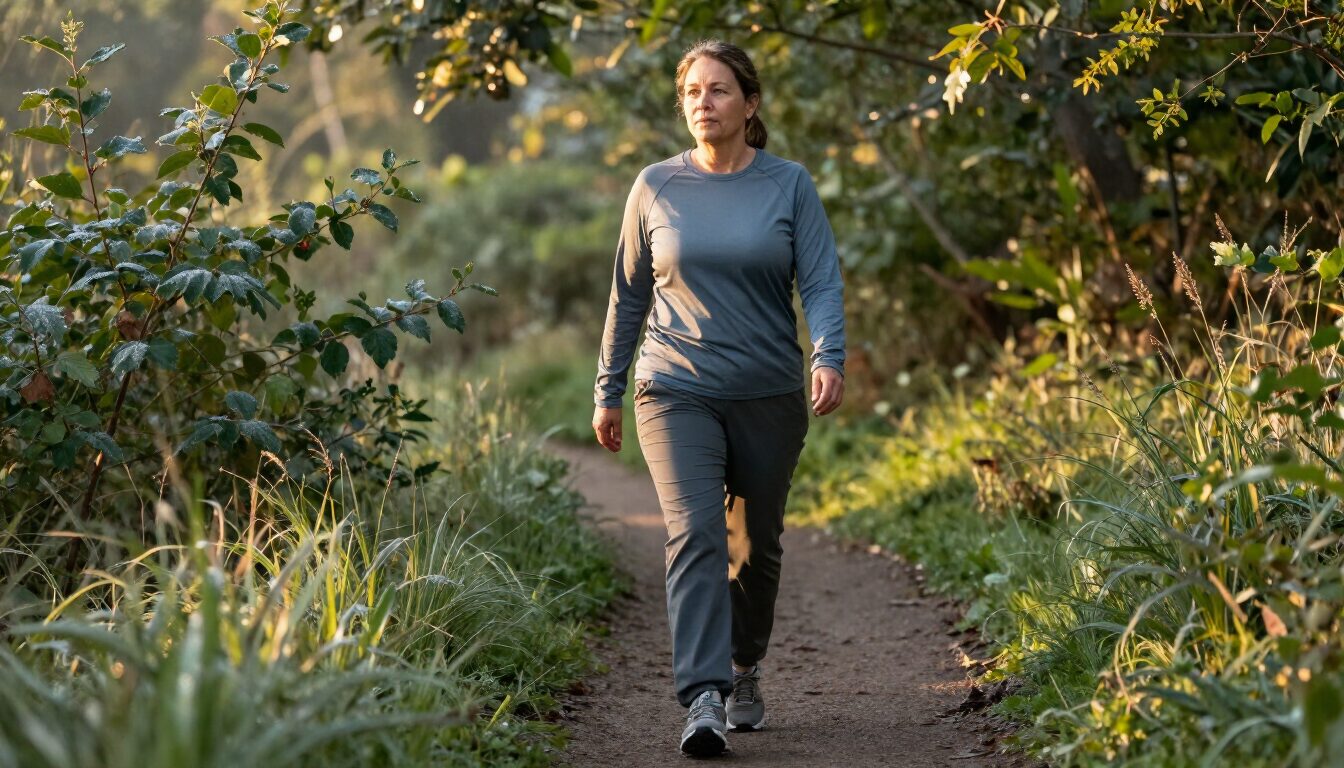
The menopause transition can affect bone health because declining estrogen may accelerate bone loss, especially during perimenopause and the years after menopause. The best protection combines strength training, impact exercise, adequate calcium and vitamin D, fall prevention, and personalized medical guidance—including bone-density screening when appropriate.
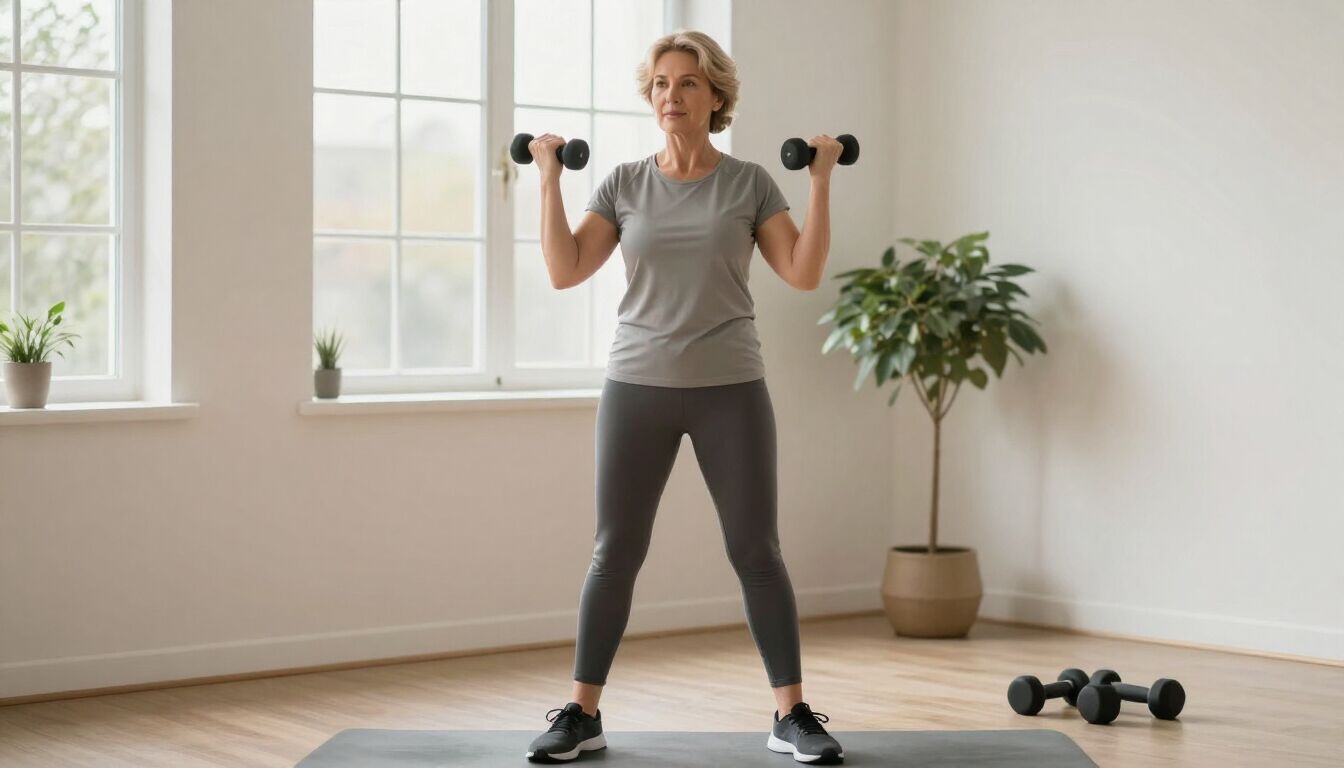
Why does the menopause transition affect bone health?
Estrogen helps maintain the natural cycle of bone remodeling. Throughout life, the body continuously breaks down older bone and replaces it with new bone. During the menopause transition, estrogen levels fluctuate and eventually decline. As a result, bone breakdown can begin to outpace rebuilding.
Bone loss is often fastest around the final menstrual period and in the first several years afterward. You may not feel this process happening. Low bone density usually has no symptoms until a fracture occurs, which is why prevention and timely evaluation matter.
This does not mean every woman will develop osteoporosis. Your risk depends on several factors, including age, family history, body size, smoking, alcohol use, nutrition, physical activity, certain medications, and health conditions that affect absorption or hormones.
5 practical ways to protect your bones
1. Add resistance and weight-bearing exercise
Bones respond to healthy physical stress. Resistance exercise—such as squats, lunges, stair climbing, resistance bands, or weightlifting—helps support muscles and the skeletal system. Weight-bearing activities encourage your bones to stay strong, while strength and balance work can reduce the likelihood of falls.
Aim for a routine that is realistic and consistent. If you are new to exercise, begin gradually and consider professional instruction, particularly if you have joint pain, a previous fracture, dizziness, or a medical condition.
Useful options may include:
- Brisk walking or hiking
- Dancing or low-impact aerobics
- Strength training two or more times weekly
- Tai chi, yoga, or balance exercises
- Stair climbing, as tolerated
High-impact exercise is not appropriate for everyone. Your clinician can help you choose safe movements based on your bone density, fitness level, and injury history.
2. Prioritize calcium, vitamin D, and protein
Nutrition supports both bone structure and the muscles that help protect it. Calcium-rich foods include dairy products, calcium-set tofu, canned salmon or sardines with bones, fortified plant milks, and some leafy greens. Protein from foods such as eggs, fish, poultry, beans, yogurt, and tofu also supports muscle strength.
Vitamin D helps the body absorb calcium, but needs vary by person and location. Food, sunlight, and supplements may all play a role. More is not always better: excessive supplementation can cause problems, and some people need testing or a tailored recommendation.
Rather than starting several supplements at once, review your diet, medications, and health history with a qualified clinician. Explore the Treatments page to learn more about personalized wellness support.
3. Understand your personal risk factors
A bone-health plan should reflect your individual history. Tell your clinician if you have experienced an early or sudden loss of menstrual periods, a fracture from a minor fall, or a close relative with osteoporosis or a hip fracture.
Other considerations include:
- Long-term use of corticosteroids or certain seizure medications
- Low body weight or significant unintentional weight loss
- Smoking or heavy alcohol use
- Digestive conditions that affect nutrient absorption
- Thyroid, kidney, liver, or inflammatory diseases
- Limited mobility or frequent falls
Risk assessment is not a diagnosis, but it helps determine whether testing, lifestyle changes, or treatment should be discussed sooner.
4. Ask when a bone-density test is appropriate
A dual-energy X-ray absorptiometry scan, commonly called a DXA or DEXA scan, measures bone mineral density. It is quick and noninvasive. Results may be reported as a T-score, Z-score, or a broader fracture-risk estimate, depending on your age and clinical situation.
Screening recommendations are based on age and risk factors, so timing is not identical for every woman. A clinician may recommend earlier evaluation if you have a history of fracture, take medications that weaken bone, or have another significant risk factor.
A test is one piece of the picture. Your clinician may also review your medications, movement, nutrition, fall risk, and family history before recommending next steps.
5. Reduce fall risk at home and away
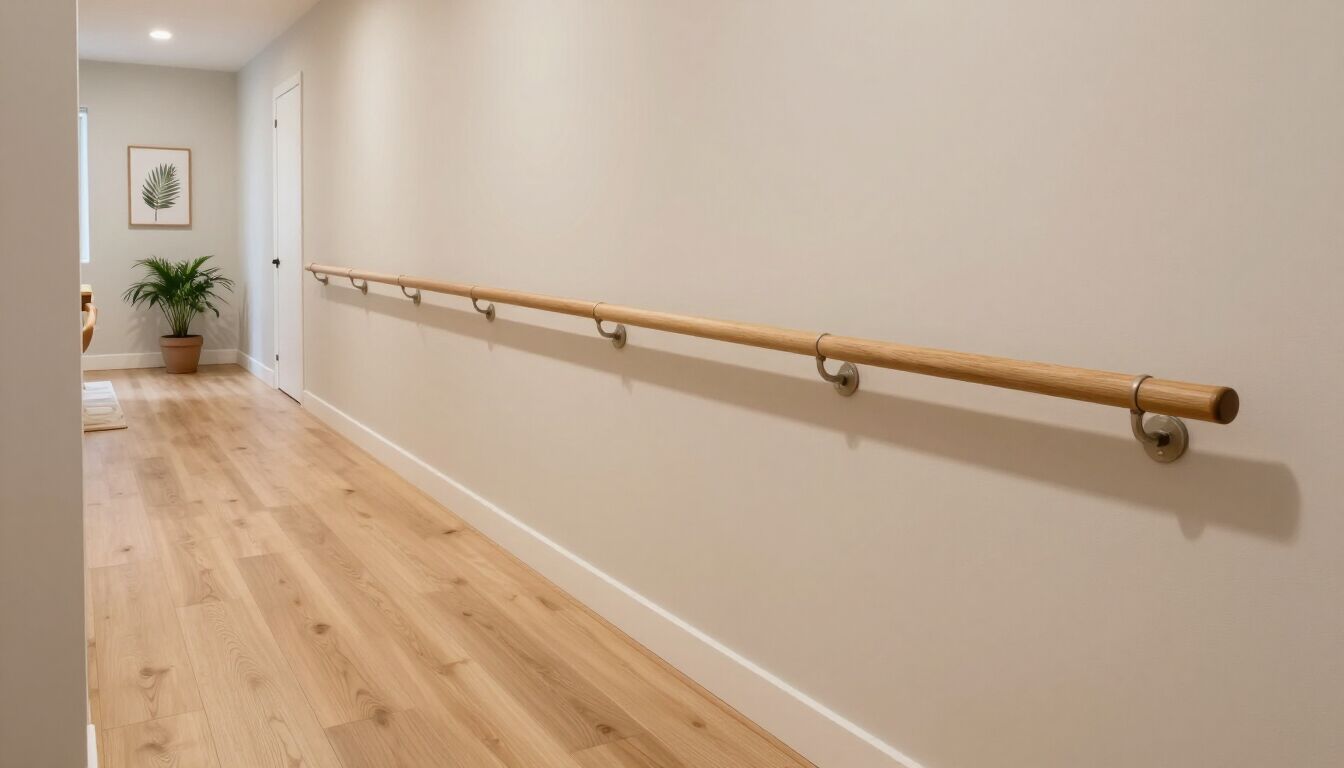
Strong bones matter, but preventing falls is equally important. Improve lighting on stairs and in hallways, keep pathways clear, use handrails, and address loose rugs or uneven flooring. Wear supportive shoes and have your vision checked regularly.
Balance training and lower-body strength can improve confidence and stability. If you feel lightheaded, unsteady, or unusually weak, do not ignore it. Medication side effects, blood-pressure changes, vision problems, and other treatable issues may contribute.
Can hormone therapy help protect bone health?
Menopausal hormone therapy can help prevent bone loss while it is being used, and it may be appropriate for some women with bothersome menopause symptoms. However, it is not the right choice for everyone, and it should not be started solely as a self-directed bone treatment.
The potential benefits and risks depend on your age, symptoms, medical history, family history, type of therapy, dose, and whether you have a uterus. Other prescription treatments may be better suited to someone whose primary concern is osteoporosis or fracture prevention.
A personalized conversation is essential. Avoid using another person’s hormones or changing a prescribed treatment without medical guidance. You can learn more about care options through Memberships or Contact the practice with questions.
What are common signs of weak bones?
Low bone density usually does not cause pain or obvious symptoms. A fracture after a minor fall or routine movement may be the first warning sign. Over time, spinal fractures can contribute to back pain, loss of height, or a stooped posture, although these changes can have other causes too.
Do not wait for symptoms if you have meaningful risk factors. Ask your healthcare professional whether your history suggests screening or a more detailed fracture-risk assessment.
A simple bone-health checklist
Use this checklist as a starting point for a conversation with your clinician:
- Track your menstrual and menopause history.
- Review medications and health conditions that may affect bone.
- Build strength, balance, and weight-bearing activity gradually.
- Choose calcium-rich foods and discuss vitamin D needs.
- Ask whether a DXA scan is appropriate for you.
This checklist is educational and does not replace individualized medical advice. Exercise or supplement changes should be adapted to your health, abilities, and clinician’s recommendations.
Frequently asked questions
Does menopause always cause osteoporosis?
No. Menopause increases the risk of bone loss, but osteoporosis develops from a combination of factors. Genetics, nutrition, activity, medications, body size, smoking, alcohol, and other medical conditions all influence risk.
How much calcium do I need during menopause?
Needs vary by age, diet, medical history, and local clinical guidance. Many women can meet their needs through food. Ask a clinician or registered dietitian before taking supplements, especially if you have kidney disease or take medications that affect calcium.
Is walking enough to strengthen bones?
Walking is an excellent weight-bearing activity, but it may not provide every type of stimulus your bones and muscles need. Adding appropriately challenging resistance and balance exercises can create a more complete routine.
When should I talk with a clinician?
Schedule a conversation if you have had a low-trauma fracture, have a strong family history, take long-term corticosteroids, experience frequent falls, or want help evaluating symptoms and treatment options during the menopause transition.
Your next step for stronger, healthier aging
The menopause transition and bone health are closely connected, but bone loss is not inevitable and prevention does not require perfection. Start with consistent strength and balance exercise, nourishing foods, fall-prevention habits, and a review of your personal risk factors. Ask whether bone-density testing or treatment is appropriate for you rather than relying on symptoms alone. If menopause symptoms, medications, or health conditions make planning complicated, seek personalized physician guidance. Evaluate your risks, choose one practical change this week, and revisit your plan as your needs evolve.


