
What Are Peptides? Benefits, Risks & Safety Guide
Christina Long, MD · October 26, 2026

Peptides are short chains of amino acids that act as biological messengers in the body. Some, including insulin and certain FDA-approved medicines, have well-established benefits. Others—such as MOTS-C, BPC-157, and injectable GHK-Cu—remain investigational, have limited human evidence, or are not legally distributed for routine human use.
What are peptides?
Peptides are made when two or more amino acids join together. They are smaller than proteins and can influence processes such as hormone signaling, inflammation, tissue repair, metabolism, and appetite.
Some peptides occur naturally in the body. Others are manufactured as prescription medications or studied in laboratories. The word “peptide” does not automatically mean a product is safe, effective, natural, or approved.
That distinction matters because peptide products may be sold through clinics, wellness websites, online marketplaces, or compounding pharmacies with very different levels of oversight.
Which peptides have been studied and proven to help?
The strongest evidence generally applies to peptides that have completed clinical trials and received regulatory approval for a specific medical use. Examples include:
- Insulin: Used to manage diabetes by replacing or supplementing the body’s insulin.
- GLP-1 receptor agonists: Medicines such as semaglutide and liraglutide can improve blood sugar control and support weight loss when prescribed for appropriate patients.
- Tirzepatide: A prescription medicine that targets GLP-1 and GIP pathways for certain diabetes and weight-management indications.
- Desmopressin: A peptide-related medication used for selected conditions, including some forms of diabetes insipidus and nighttime urination.
- Oxytocin: Used in specific obstetric settings under medical supervision.
“Proven” always means proven for a defined purpose, dose, formulation, and patient population. Evidence for one medicine should not be transferred automatically to another peptide with a similar-sounding mechanism.
For example, an approved GLP-1 medication is not interchangeable with an unapproved “research peptide” marketed as a cheaper or stronger alternative.

How should you evaluate peptide evidence?
A useful evidence check includes five questions:
- Was the study conducted in humans? Animal or cell studies can suggest possibilities, but they do not establish clinical safety.
- Was it randomized and controlled? Stronger trials compare the treatment with a placebo or accepted standard of care.
- How many people participated? Small studies may miss uncommon side effects and produce unstable results.
- Was the product the same one being sold? Purity, concentration, delivery method, and storage can change results.
- Has an independent regulator reviewed it? Approval indicates that a medicine met specific standards for quality, safety, and effectiveness for a stated use.
Anecdotes, before-and-after photos, influencer testimonials, and “doctor-formulated” labels are not substitutes for clinical evidence.
What is the evidence for MOTS-C?
MOTS-C is a peptide associated with mitochondrial function and energy metabolism. Early laboratory and animal research has generated interest in possible roles involving metabolic health, exercise response, and aging.
However, MOTS-C is not an FDA-approved medication for routine human treatment. Human evidence remains limited, and important questions about dosing, long-term safety, interactions, manufacturing quality, and appropriate patient selection are not settled.
A product marketed as MOTS-C may therefore be experimental rather than an established therapy. Claims that it “reverses aging,” reliably builds muscle, or treats disease go beyond what current evidence can support.
What is the evidence for BPC-157?
BPC-157 is an experimental peptide studied primarily in laboratory and animal models. Research has explored possible effects on gastrointestinal tissues, tendons, ligaments, and wound healing.
The major limitation is a lack of high-quality human clinical evidence. There is not enough reliable information to establish an effective dose, identify all risks, or confirm that benefits seen in animals apply to people.
BPC-157 is not FDA-approved for human therapeutic use. Products sold online or promoted for injury recovery may have uncertain identity, concentration, sterility, and contamination risk. “For research use only” labeling does not make a product appropriate for self-injection.
What is the evidence for GHK-Cu?
GHK-Cu is a copper-binding peptide naturally found in the body. It has been studied in connection with skin biology, wound healing, inflammation, and tissue remodeling. Topical cosmetic products containing copper peptides are different from injectable preparations.
Some topical uses may have modest cosmetic value, but the evidence is not equivalent to proof that injectable GHK-Cu improves longevity, muscle, systemic inflammation, or other broad health outcomes. Injectable GHK-Cu is not an FDA-approved treatment for those purposes.
The route of administration matters. A substance used on the skin can behave very differently when injected into the bloodstream or tissue.
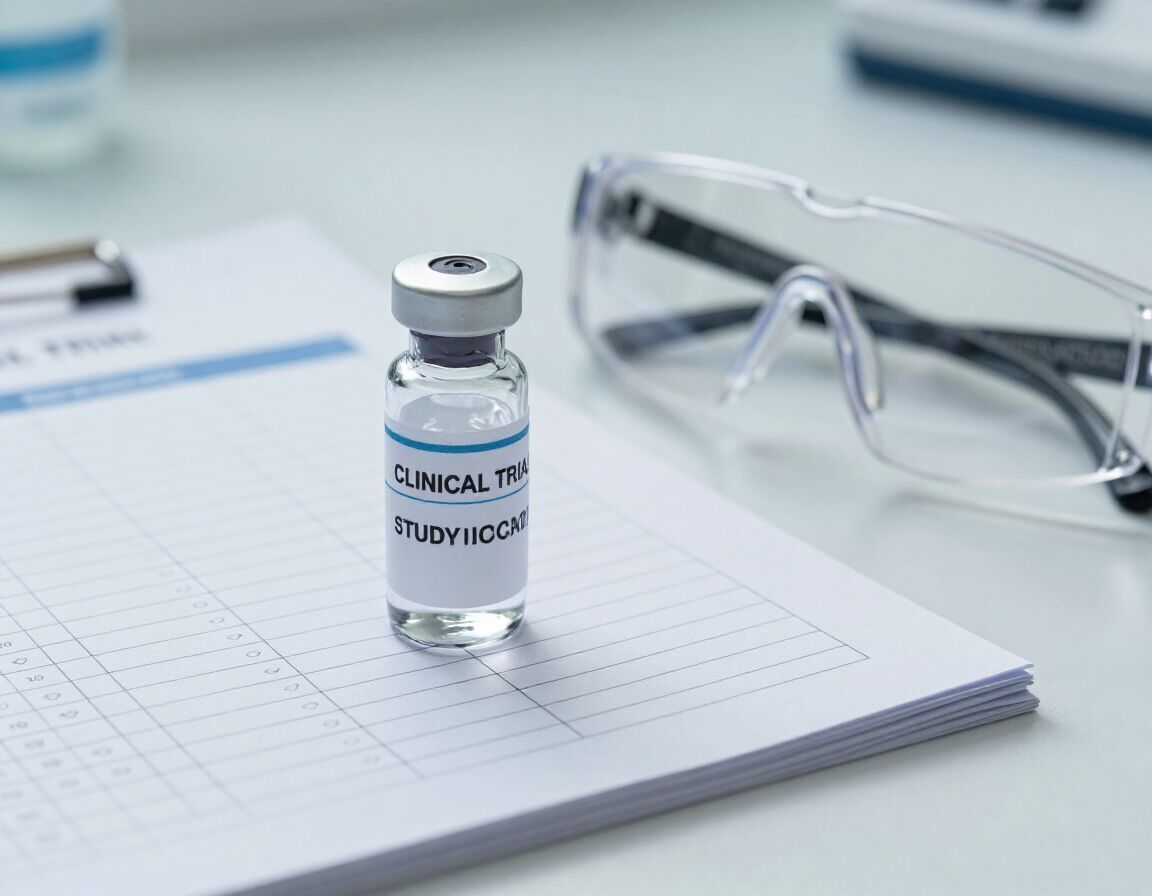
Which peptides are not legally distributed for human use?
Regulatory status can change, and legality depends on the product, source, claims, prescription rules, and jurisdiction. In general, consumers should be cautious with peptides that are:
- Not approved by the FDA for human use
- Sold as “research use only” but promoted for injection or treatment
- Dispensed without a valid clinician-patient relationship and prescription when one is required
- Made by an unverified facility without reliable testing or lot documentation
- Marketed with disease-treatment or performance claims unsupported by approved labeling
A peptide may be chemically real yet still not be legally authorized as a human drug. Compounding also does not automatically mean FDA approval. A legitimate clinician should be able to explain the product’s source, intended use, regulatory status, risks, and alternatives.
The FDA has also raised concerns about compounded or unapproved versions of certain peptide medicines, including risks involving dosing errors, contamination, counterfeit products, and unpredictable potency. Patients should check current FDA communications and discuss questions with a licensed clinician rather than relying on social media claims.
What risks can peptide treatments have?
Potential risks depend on the specific peptide and delivery method. They may include:
- Allergic reactions or immune responses
- Infection or abscess from unsafe injection practices
- Incorrect concentration or dosing
- Nausea, vomiting, diarrhea, or dehydration with appetite- or glucose-related medicines
- Low blood sugar when certain medicines are combined
- Unknown effects on pregnancy, fertility, cancer risk, or chronic disease
- Drug interactions and delayed diagnosis when a peptide replaces appropriate care
Never share needles, use a vial with uncertain sterility, or adjust a prescribed dose based on an online protocol. Seek urgent care for trouble breathing, facial swelling, severe abdominal pain, fainting, confusion, or signs of a serious infection.
How can you discuss peptides with a clinician?
Bring the exact product name, label, concentration, source, route, and intended goal. Also share your medical history, medications, allergies, pregnancy status, and supplements.
A qualified clinician can help you:
- Clarify whether your goal is weight management, metabolic health, recovery, skin care, sexual health, or another concern.
- Compare an approved treatment with an experimental product.
- Review expected benefits, side effects, monitoring, and alternatives.
- Decide whether testing or follow-up is needed.
- Create a plan that does not depend on unverified online products.
For personalized, physician-led guidance, explore Treatments or learn more About Us. You can also contact the practice with questions about care options and availability.
The bottom line
Peptides are a broad category, not a guarantee of better health. Approved medicines such as insulin and certain GLP-1 therapies have meaningful evidence for specific conditions, while MOTS-C and BPC-157 remain investigational and GHK-Cu has more limited, use-specific evidence. Many products sold online are not approved or legally distributed for routine human use. Before considering any peptide, verify its regulatory status, source, evidence, and risks with a licensed clinician. Choose an individualized plan based on your health goal—not testimonials, vague promises, or a research label.


